How uPVC Multipoint Locks Fail — and Why Early uPVC Door Lock Repair Matters
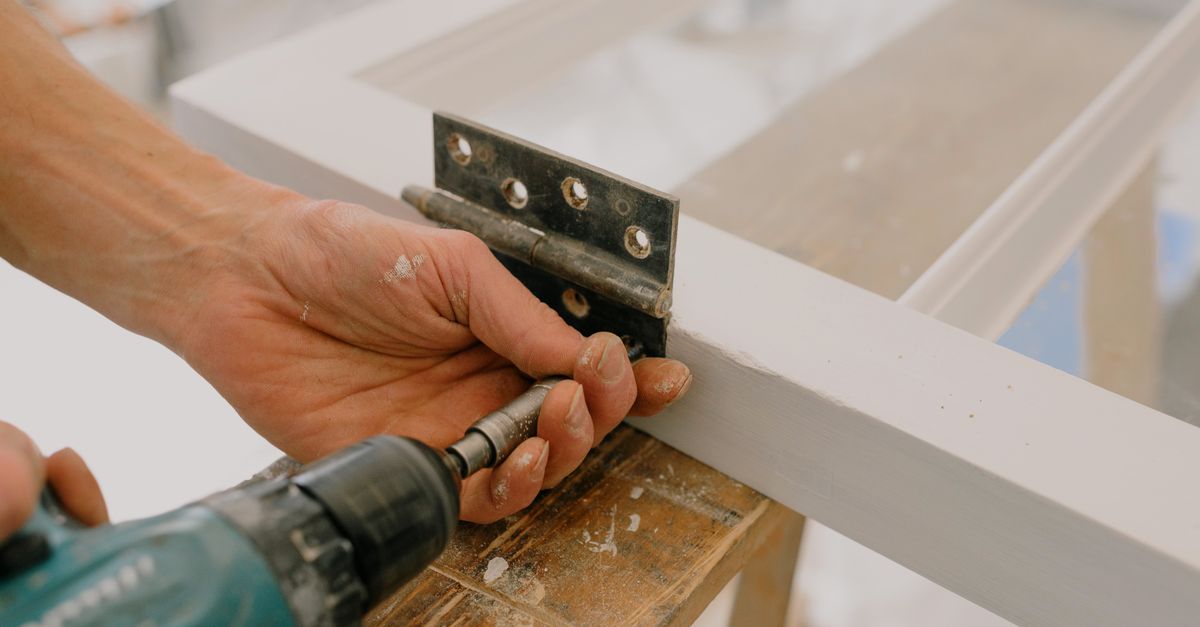
A uPVC door relies on a multipoint locking mechanism — a tall strip of metal running vertically inside the door edge — to simultaneously throw multiple locking points when the handle is lifted and the key is turned. The gearbox sits at the centre of this strip and converts handle movement into bolt travel. Over time, the internal springs and cams inside the gearbox wear, the door drops slightly on its hinges, or the keep (the receiver strip in the frame) moves out of alignment. The result is a handle that feels stiff, bolts that refuse to shoot home, or a lock that feels fine until one day it simply stops working. Because patio and French doors use a sliding door lock replacement variant of the same mechanism, the failure modes are almost identical — the gearbox seizes, the hook bolts stick, or the cylinder stops turning under load.
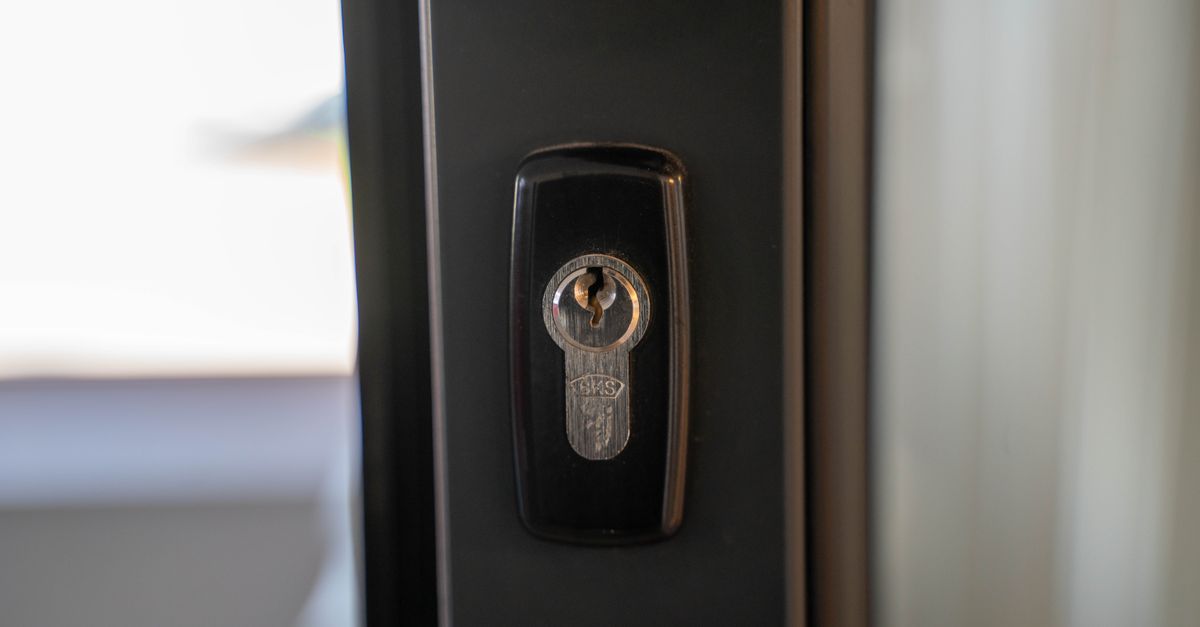
Acting quickly matters. A multipoint lock that is half-working gives the impression of security without providing it — the door may appear closed while only one or two of the five or six locking points are actually engaged. Our skilled technicians can usually distinguish between a gearbox fault, a misaligned keep, a tired euro cylinder, or a broken spindle on the first inspection. We confirm an exact up-front price before any work begins, so there are no surprises on the invoice. The final quote reflects the mechanism type needed, the parts required, the time of day, and travel distance — nothing more.